
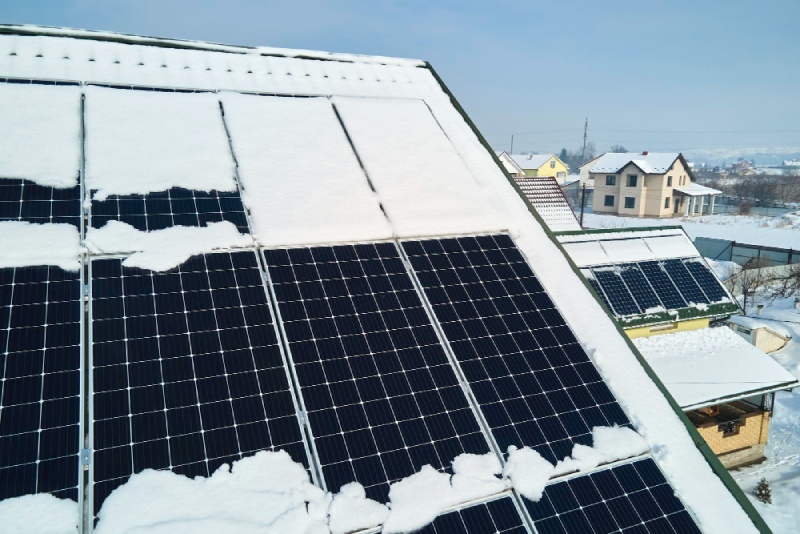
The biggest question many homeowners ask annually, as the cold season approaches, is: Do solar panels work in winter? The short answer is yes. Solar technology may seem to work only well on hot, sunny days, but there is more to it than that. The truth of the matter is that solar panels can produce clean, reliable power even when temperatures are low. It is the way in which solar systems receive light rather than heat.
This article will describe how solar energy operates in winter, factors influencing the efficiency of solar panels during winter, the effect of snow and ice on the performance of solar panels, and why new technologies such as solar-powered glass, solar glass panels and building-integrated photovoltaics are transforming the use of renewable energy at homes and buildings. We are also going to explore why solar panels remain viable in cold areas, including those that experience harsh winters.
Why Solar Panels Still Work in Winter
The greatest misconception is that solar panels require heat. The fact is, all they need is sunlight. The sun continues to provide light to the Earth even during cold days. Solar panels are made to convert such light into electricity. This implies that the temperature does not make them stop performing. Actually, certain solar systems perform better in cool climates than in extreme heat.
Do solar panels operate during winter or not? Yes, since photovoltaic cells respond to light, not heat. Imagine that it is winter and you are taking a picture outside. Your camera is not out of order since the environment has enough light. The same is true for solar panels.
Although winter days are shorter, the panels can generate electricity when the sun is shining. They probably will not yield as much as they do in summer, but they do not quit working. Solar systems keep many businesses and homes fully functional in the cold season.
How Solar Panel Efficiency in Winter Changes
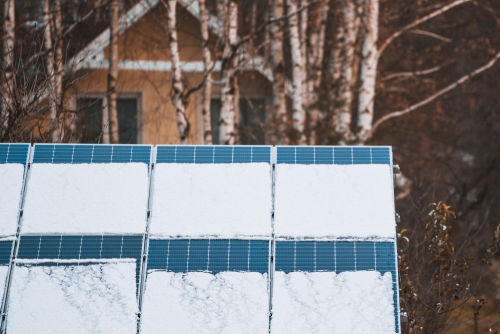
And maybe you have been wondering about solar panel winter efficiency, then here comes the reality: they can work even better during cold temperatures. Electronics do work better when they are cooled. When temperatures are high, the electrical current within a solar panel slows, whereas cold air does not raise the temperature of the panel, enabling the flow of energy to continue smoothly.
The shortened daylight in winter, however, lowers overall daily production. The sun appears later and disappears earlier, meaning less time for energy gathering. Nevertheless, even panels produce a startling amount of power during the day.
The sun’s angle also varies. In winter, it is lower in the sky; therefore, panels installed with the right tilt will capture as much sunlight as possible. Many installers set panels at an angle that will ensure they perform well in any season.
What About Snow? Does It Stop Solar Panels?
Snow is another concern when discussing solar panels in winter, particularly in places like Canada. Snowfall might temporarily obscure sunlight if it completely covers a panel, but this does not last long. The effect is less than most people anticipate for a few reasons.
Solar panels are dark and smooth, so when the sun beats them, they warm quickly than the rest of the surrounding area. This aids the natural melting or sliding off of snow. Besides, snow is also removed by gravity since panels are frequently mounted at an angle.
The snow on the ground can also reflect light that bounces onto the panels. This refraction can increase solar energy during winter, particularly on sunny, clear days following a snowfall.
Some homeowners may install snow guards or panel heaters, which are not necessary. Temporary loss of energy during a major snowfall is, in most cases, insignificant in relation to total annual production.
Solar Panels in Canadian Winter: Do They Still Make Sense?

It is surprising to many that cold climates host some of the world’s strongest solar markets. Solar energy is successfully used in Canada, Germany, Norway, and some parts of the northern United States, even during long winters.
These solar panels can be used in the Canadian winter to generate power even when it is freezing cold. Clear winter days are characterized by a lot of sunlight, and modern solar panels are designed to withstand heavy snow and even extreme cold in Canada. To ensure they are safe and dependable year-round, the panels are subjected to extreme weather conditions.
Solar is rapidly expanding even in the coldest provinces, as it helps reduce energy costs and create a more sustainable future. The weather during winter does not prevent solar systems from operating, as it only modulates the amount of sunlight reaching the panels. Homes and businesses can also achieve high performance year-round with proper design and installation.
Solar Energy in Winter: How Homes Stay Powered
Most people are concerned that winter production may be unable to satisfy the requirements of their homes. This is where smart system design comes in. Installers tend to oversize solar systems based on annual energy consumption rather than performance in summer alone. Combining solar-generated power on sunny winter days with energy storage or grid support ensures a continuous supply.
Even though lower output may occur during the winter season, solar systems tend to generate more energy than the entire year’s consumption to compensate for the loss. The majority of household consumption follows an annual cycle, and solar systems are designed to match it.
Battery storage is an emerging trend. Homes can store some of the energy generated during the day in a battery and use it at night or on cloudy days. This would create a more reliable, stable system across seasons.
New Technology: Solar-Powered Glass and Solar Glass Panels
The use of solar technology is no longer restricted to rooftop panels. Innovations like solar-powered glass and solar glass panels enable buildings to capture sunlight through windows, walls, and other surfaces. This kind of design incorporates solar energy into the building itself.
Solar glass appears like ordinary building glass, but it has thin layers that trap sunlight and convert it into electricity. Some are semi-transparent and therefore still allow the passage of natural light. This makes them applicable in commercial buildings, offices, and modern houses that value beauty and sustainability.
These products also perform in winter since they work just like traditional solar panels. They use sunlight instead of heat and also generate energy as long as there is daylight.
Building Integrated Photovoltaics: The Future of Solar Design

Another highly promising technology gaining popularity is Building-integrated photovoltaics (BIPV). BIPV systems are integrated into the building rather than placed on a roof or wall as solar panels. This may include solar shingles, solar facades, and solar windows, among others.
BIPV enables buildings to generate clean energy without sacrificing a smooth, up-to-date look. Most architects adopt this technology because it reduces carbon emissions and energy bills without altering the appearance of the house.
Once winter arrives, BIPV functions in a similar manner to a regular solar panel. So long as the sun shines on the surface, it can generate power. BIPV also provides insulation benefits in cold climates, helping buildings remain warmer and more power-efficient.
Why Solar Panels Are Still Worth It in Winter
Solar panels are still a good investment even when days are shorter and temperatures are lower. They generate energy year-round and reduce electricity bills. The performance during winter is included in the overall picture, but does not diminish the long-term value of a solar system.
Questions should not focus on whether solar panels can be effective in winter, but rather on how effective they can be in up to twelve months of operation. Over the years, solar systems not only provide powerful energy but can also reduce carbon emissions, increase the value of a home, and help people live a more sustainable life.
There is no reason not to go solar because of cold weather. Most homeowners in cold regions achieve excellent performance because solar panels are designed to withstand a wide range of temperatures, including freezing and hot conditions. The technology is stable, clean and tested to be effective in all seasons.
Conclusion: Solar Panels Perform All Year, Even in Winter
Therefore, do solar panels perform during winter? Yes, they do. Solar panels, even in winter, convert sunlight into electricity despite the decreasing temperatures. A decrease in total production due to shorter days, however, is offset by the fact that the panels can often be more effective in cold weather. Most of the snow melts or slides off within a short period, but it can still cause temporary interruptions. Solar technology is more robust and flexible than ever, with smart installations and new technologies such as solar glass panels, solar-powered glass and building-integrated photovoltaics.
When thinking of solar for your home or your business, do not think that winter will stand in your way. Modern systems are designed to suit any season, even extreme weather conditions such as the Canadian winter. You can have consistent, reliable power year-round.
Elemex offers professional guidance on selecting the right solar solution and gaining insight into more advanced building-integrated solar products. Our team can assist you, answer your questions, and explore smart, innovative solar options tailored to your property. If you would like to learn more about Solar BIPV, please contact an Elemex representative.