
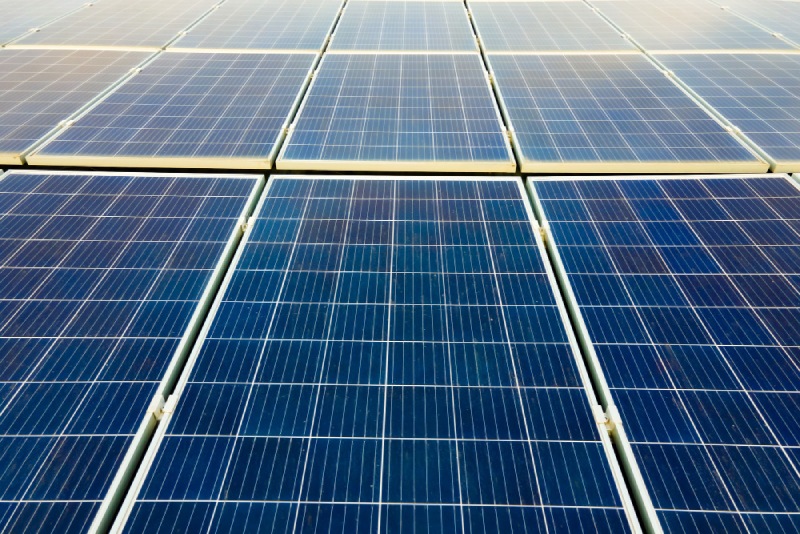
Solar facades are increasingly becoming a smart and attractive solution, especially as building owners look to adopt clean energy solutions. Instead of just installing solar panels on roofs, architects and building owners are now utilizing facades to generate power. This can be done through the use of Building Integrated Photovoltaics(BIPV) or Building Applied Photovoltaics (BAPV).
The two systems enable buildings to generate renewable energy, yet they differ in the way they are mounted to said buildings and their function on said buildings. The debate on whether to use BIPV or BAPV is not purely a technical matter. It also influences the design, cost, performance, appearance, and functionality of a building.
This article elaborates on the distinction between BIPV and BAPV in layman’s terms. It will help you understand how each system operates, when they are most effective, and how to select the appropriate solar facade system for your project.
What Is a Solar Facade System?
A solar facade system uses solar panels on a building’s exterior wall to generate energy. Solar facade systems are widely applied to commercial buildings, offices, schools, and modern residential buildings.
Facade solar panels are mounted on vertical surfaces, unlike rooftop solar panels. This makes them practical in urban areas where rooftop space is scarce and vertical facade space is plentiful. Today, there are two predominant systems of a solar facade. These include building-applied photovoltaics and building-integrated photovoltaics. They are generally referred to as BAPV and BIPV.
Understanding Building Applied Photovoltaics
Building-applied photovoltaics (BAPV) are solar panels installed on top of an existing element. These panels do not substitute building materials.
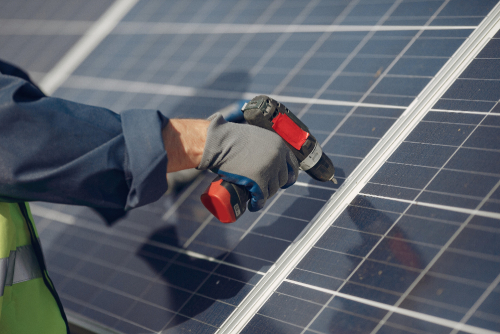
BAPV panels are similar to conventional solar panels. They are secured with frames or brackets and are slightly offset from the building surface. As a result, they can be easily installed and replaced.
BAPV systems are popular among many individuals when upgrading existing buildings. BAPV solar facade enables building owners to incorporate renewable energy without a significant impact on the existing building envelope.
What Is BAPV Solar Used For ?
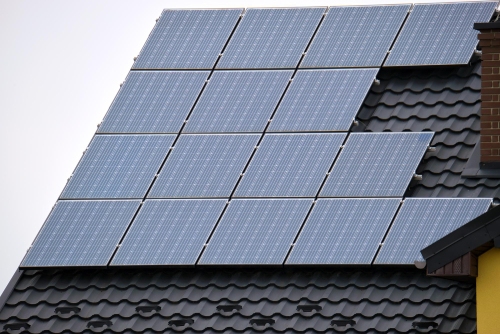
BAPV is usually applied in retrofit projects. In situations where an exterior is already complete, and the aim is to install solar energy quickly, BAPV panels can be a viable option.
A BAPV facade is also applicable when the budget is a major concern. These panels are standard products and therefore tend to be cheaper compared to fully integrated systems.
Property owners who prefer renewable energy but are less interested in architectural aesthetics often opt for BAPV panels due to their reliability and familiarity.
Understanding Building Integrated Photovoltaics
In contrast to BAPV, BIPV systems occupy part of the building envelope rather than being attached to it. Applications include facades, windows, or rooftops.
Solar panels serve two functions in a BIPV system: they act as the building envelope material and as a power generator.
BIPV is frequently used in new buildings or large-scale renovations, where there is greater design flexibility. The aesthetics of the solar panel is a significant aspect of BIPV projects, as the panels form part of the building’s visual identity.
BIPV and BAPV: The Core Difference
The fundamental difference between BIPV and BAPV lies in integration.
- BAPV systems are applied to buildings
- BIPV systems are designed to function as a part of the building
BAPV can be thought of as an energy add-on, whereas BIPV is a fully integrated facade solution. This distinction influences everything from aesthetics and durability to lifecycle value and facade performance.
As building codes, sustainability targets, and architectural expectations continue to evolve, this difference becomes increasingly important.
Design and Architectural Integration
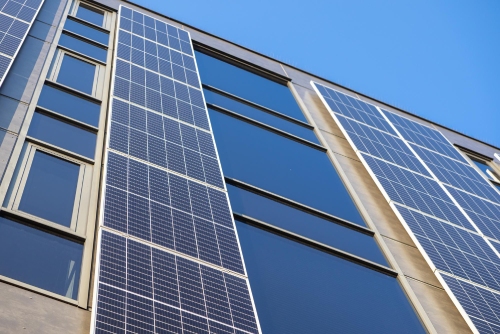
One of the most significant advantages of BIPV lies in design flexibility and integration. A BIPV facade can be customized in size, finish, color, and transparency, allowing it to align seamlessly with the architectural vision.
Rather than appearing as mounted panels, BIPV systems read as intentional facade elements. This makes them particularly attractive for corporate headquarters, institutional buildings, and projects where branding and architectural expression matter.
BAPV systems, by contrast, retain a more utilitarian appearance. They typically remain visually distinct from the original facade and offer limited design adaptability.
Cost Considerations: BAPV vs BIPV
BAPV systems typically involve lower upfront costs because they use standardized products and simpler mounting methods. This makes them attractive for short-term or budget-constrained projects.
BIPV systems often require a higher initial investment. However, this cost must be viewed in context. As BIPV panels replace traditional facade materials, they offset construction costs while delivering energy generation, durability, and long-term performance.
Over the lifespan of the building, a well-designed BIPV facade can provide greater value through reduced material redundancy, enhanced envelope performance, and long-term aesthetic durability.
Installation and Project Planning
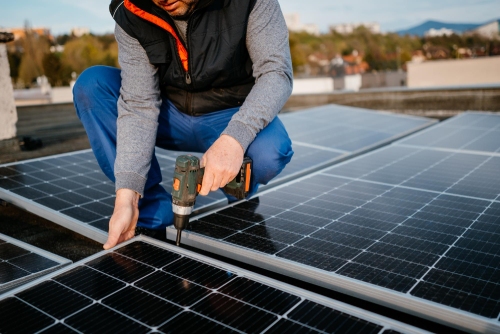
BAPV panels can be installed easily and quickly, particularly on existing buildings. This makes BAPV suitable for projects with constrained timelines.
BIPV requires more planning. Since the system is integrated into the building envelope, architects, engineers, and facade experts need to collaborate from the earliest stages of design.
Although BIPV projects require greater coordination, they yield a cleaner, more integrated final product.
Serviceability, Modularity, and Longevity
Serviceability is often misunderstood when comparing BIPV and BAPV systems. While BAPV panels are externally accessible, modern BIPV systems are also designed with modularity and long-term maintenance in mind.
High-performance BIPV solutions such as Solstex® are engineered so that individual facade panels can be removed or serviced without disturbing the overall system. This modular approach supports long-term facade performance while maintaining architectural integrity.
When BAPV Solar Makes the Most Sense
BAPV is suitable for existing buildings wanting to add renewable energy, where aesthetics are not a priority. It works well for projects with tight budgets or timelines.
BAPV panels are a viable option when the primary objective is energy generation and rapid installation.
When BIPV Is the Better Option
BIPV can be used in new buildings or major renovations where design and sustainability are of the utmost concern. A BIPV facade enables buildings to generate energy while retaining a clean, modern look that is true to the architectural vision.
BIPV is more advantageous in projects that are centred on innovation, branding, and long-term value.
Choosing the Right Solar Facade System
BIPV or BAPV is a decision that should be made on your project objectives, budget, schedule and design vision. The two systems embrace clean energy and promote a positive environmental impact.
It is important to understand the distinction between building-applied photovoltaics and building-integrated photovoltaics to ensure you choose the appropriate solution.
A trusted facade partner will help you with this decision and plan a solar facade system that meets both performance and aesthetic requirements.
Conclusion: Making the Right Choice for Your Building
The BIPV vs BAPV discussion is not about choosing a winner—it is about selecting the right solution for the right context.
BAPV provides flexibility and speed for retrofit scenarios. BIPV delivers integration, longevity, and long-term value as part of a high-performance facade system.
For projects focused on architectural quality, envelope performance, and future-ready design, BIPV represents a more complete and enduring solution.
If you are planning a solar facade project and need expert guidance, Elemex can help. Our team specializes in advanced facade systems, including Solstex® BIPV solutions designed to balance performance, durability, and architectural integration. Whether you are evaluating applied solar options or exploring a fully integrated photovoltaic facade, Elemex works closely with architects and developers to deliver smart, sustainable building envelopes.
If you would like to learn more about BIPV, please contact an Elemex representative.