
Key Takeaways:
Here’s what businesses and developers should understand when evaluating Solstex vs alternative facade systems:
- Solstex integrates energy generation directly into the building envelope, unlike BAPV traditional cladding plus solar, such as rooftop.
- In a Solstex (BIPV) vs BAPV cost comparison, eliminating redundant materials can significantly improve ROI.
- When comparing Solstex vs traditional BAPV, integration reduces system stacking and improves architectural flexibility.
- The Solstex payback period for commercial buildings improves when energy offsets, incentives, and facade replacement budgets are combined.
Modern commercial buildings are no longer judged only by aesthetics and durability. In today’s construction industry, performance, energy generation, and long-term ROI are equally important.
If you’re comparing Solstex vs alternative facade systems, you’re likely asking:
- How much does a Solstex facade cost?
- Is it better than BAPV?
- How does it compare to traditional cladding plus rooftop solar?
- What is the real payback period?
This guide breaks down cost, quality, efficiency, and lifecycle performance to help you make a strategic, data-informed decision for your commercial façade project.
What Is the Difference Between Solstex and Alternative Facade Systems?
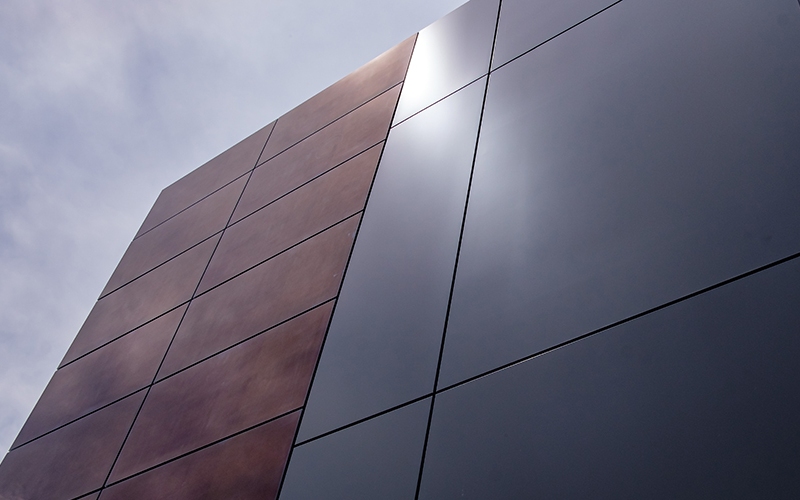
At its core, the difference between Solstex and alternative facade systems comes down to its ability to integrate solar glass into the building’s facade.
Solstex, as a building-integrated photovoltaic (BIPV) facade system, replaces conventional cladding while generating electricity. Alternative systems, such as BAPV (Building-Applied Photovoltaics) or traditional cladding paired with rooftop solar, layer solar technology onto the building rather than integrating it.
That structural difference affects cost, efficiency, aesthetics, and long-term value.
Solstex vs BAPV Cost Comparison
In a typical Solstex vs BAPV cost comparison, BAPV systems require:
- A finished facade
- Separate mounting structures
- Additional labour trades
- Redundant weatherproofing layers
Solstex eliminates duplication by serving as both a facade and a solar generator. Instead of paying for cladding and then paying again to mount panels, you install a single engineered system.
Over time, reduced material redundancy and streamlined installation can significantly shift lifecycle economics.
Solstex vs Traditional Cladding Plus Rooftop Solar
When evaluating Solstex vs traditional cladding plus rooftop solar, consider space constraints and system integration.
Rooftop solar:
- Competes with HVAC equipment
- Has limited expansion capacity
- Requires separate installation coordination
Solstex uses vertical facade space that would otherwise be passive. For commercial buildings with limited roof availability, this dramatically expands generation potential.
Instead of two separate capital expenditures, Solstex integrates envelope and energy production into a single coordinated system.
Solar Glass Facade Comparison: Integration vs Add-On
A proper solar glass facade comparison must look beyond wattage.
Integrated facade systems:
- Serve as a rainscreen cladding
- Contribute to thermal envelope performance
- Provide architectural consistency
- Eliminate exposed mounting systems
Add-on solar systems often introduce visual inconsistency and additional maintenance considerations.
Integration is not just aesthetic — it’s structural.
How Much Does a Solstex Facade Cost Compared to Alternatives?
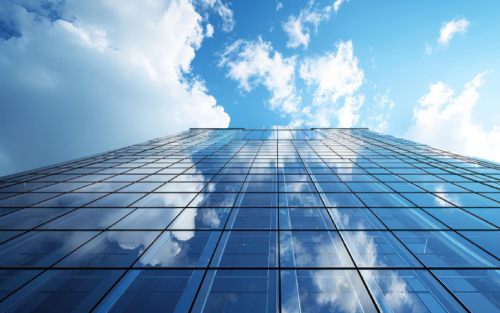
The question, “How much does a Solstex facade cost?” cannot be evaluated in isolation.
The better question is, “How much does Solstex cost compared to premium cladding plus solar combined?” because that’s the true comparison.
Upfront pricing depends on:
- Project scale
- Facade size
- Colour selection
- Electrical integration
- Regional labour costs
But focusing solely on CapEx ignores lifecycle value.
Upfront Cost vs Lifecycle Cost
Traditional cladding delivers no energy return. Solar has been producing electricity for decades. When evaluating cost, consider:
- Energy offset
- Utility inflation protection
- Carbon reduction goals
- Potential tax credits
- ESG positioning benefits
Viewed through a lifecycle lens, Solstex often shifts from “premium expense” to “long-term asset.”
Installation Efficiency and Labor Coordination
Integrated systems reduce trade stacking. With traditional cladding plus solar, you coordinate:
- Facade contractor
- Solar installer
- Electrical contractor
- Mounting specialists
Solstex consolidates envelope and solar components into one engineered solution, simplifying sequencing and reducing coordination risk.
That operational efficiency impacts overall project cost.
Incentives and Energy Offset Impact
Energy-generating facades may qualify for renewable energy incentives, tax credits, accelerated depreciation, and utility rebate programs.
When modeling the Solstex payback period for commercial buildings, incentives can materially shorten ROI timelines.
How Does Solstex Quality Compare to Competitors?
When comparing Solstex quality to competitors, it is important to evaluate more than solar energy output. Unlike many solar systems that only generate electricity, Solstex is engineered to perform multiple building-envelope functions. It serves as exterior cladding, a rainscreen system, and a solar energy generator in one integrated product. Because it replaces traditional façade materials while producing power, Solstex must meet strict durability, weather protection, and structural performance standards, which helps set it apart from many conventional solar panel solutions.
Engineered Building Envelope Performance
Unlike add-on solar panels, Solstex integrates into facade assemblies designed for air management, water control, structural stability, and thermal performance.
Commercial building solar cladding must perform as a building envelope first — and an energy generator second.
Colored Solar Glass Facade Efficiency
One common concern is colored solar glass facade efficiency.
Yes, colored photovoltaic glass may produce slightly lower output than standard black modules. However, Solstex balances:
- Architectural design flexibility
- Brand alignment
- Urban design compliance
- Energy generation
For commercial buildings where visual identity matters, this trade-off often delivers superior overall project value.
Long-Term Durability in Commercial Applications
Commercial building solar cladding must withstand:
- UV exposure
- Wind loads
- Thermal cycling
- Moisture intrusion
Integrated systems designed for facade performance reduce long-term maintenance risk compared to surface-mounted alternatives.
Durability equals predictability — and predictability protects ROI.
Is Solstex More Efficient Than Other Solar Glass Facade Options?
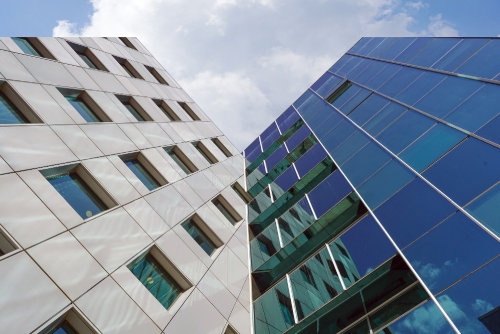
Solstex can be more efficient than some solar glass façade options because it maximizes usable façade space for energy generation. While traditional comparisons focus only on module efficiency, Solstex improves overall building performance by converting more exterior surface area into power-generating panels, increasing total energy production across the façade.
Vertical vs Rooftop Production
Rooftop systems face space limitations.
Solstex leverages vertical facade space that would otherwise remain energy-neutral. This expands total generation potential without competing for mechanical rooftop area.
When conducting a solar glass facade comparison, total system yield often matters more than isolated panel efficiency.
BIPV Cladding Advantages
Commercial BIPV provides:
- Distributed generation across elevations
- Energy generation across varied orientations
- Architectural cohesion
Integration allows buildings to produce power without sacrificing design intent.
What Is the Solstex Payback Period for Commercial Buildings?
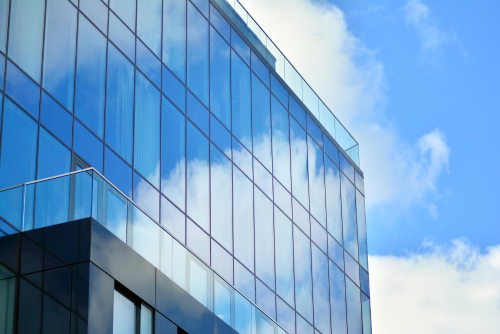
The Solstex payback period for commercial buildings typically depends on several factors, including electricity rates, system size, available incentives, façade budget, and local energy costs. In many projects, the payback period ranges from about 7 to 15 years. When Solstex replaces premium façade materials, the additional upfront cost is often lower, which can shorten the return on investment and improve long-term savings.
Energy Offset Modeling
Energy modeling supports the project’s annual production, utility savings, carbon reduction, and long-term financial performance.
Commercial properties with high daytime energy demand benefit most from on-site generation.
ESG and Asset Value Impact
Beyond utility savings, energy-generating facades contribute to sustainability certifications, investor attractiveness, corporate ESG compliance, and long-term asset valuation
For many commercial owners, ESG positioning has a measurable financial impact.
Long-Term Risk Mitigation
Energy price volatility remains unpredictable.
Generating power on-site reduces exposure to rising utility costs and supports long-term operating budget stability.
That risk mitigation is often undervalued in initial comparisons.
Where Can You Get the Solstex Facade System in North America?
Elemex specializes in integrated facade systems designed for commercial buildings across North America.
Direct-to-Project Integration
Solstex is typically specified during:
- Early architectural design phases
- Sustainability planning
- Envelope engineering coordination
Early engagement ensures proper performance modeling and integration.
Commercial Application Support
Elemex works with architects, developers, general contractors and building owners.
Technical collaboration is essential for optimized installation and long-term performance.
Early-Stage Design Collaboration
Energy-generating facades are most effective when integrated early — not added later.
Early collaboration ensures structural alignment, electrical routing, aesthetic integration planning, and cost predictability.
Conclusion: Why Solstex Stands Apart
The comparison of Solstex vs alternative facade systems isn’t just about solar panels.
It’s about integration. When evaluating Solstex vs BAPV cost comparison, Solstex vs traditional cladding plus rooftop solar, solar glass facade comparison, Solstex quality vs competitors, and Solstex payback periods for commercial buildings, the advantage lies in merging facade performance and energy generation into a single engineered system. Instead of adding solar to a finished building, Solstex integrates performance directly into the envelope.
For commercial projects seeking long-term ROI, ESG alignment, and architectural flexibility, integrated solar cladding offers a forward-thinking alternative.
If you’re planning a commercial development and want to explore feasibility, performance modeling, and cost analysis, connect with Elemex to discuss how Solstex can support your project goals. The future of facade design isn’t just protective; it’s productive.
If you would like to learn more about BIPV, please contact an Elemex representative.

FREQUENTLY ASKED QUESTIONS
Is Solstex more expensive than traditional cladding?
When evaluating “How much does a Solstex facade cost?”, you must compare it to the combined cost of cladding and another solar application. While upfront costs may appear higher than standard cladding alone, integrated energy generation often offsets long-term costs.
What is the difference between BIPV and BAPV systems?
In a Solstex vs BAPV cost comparison, BIPV replaces the building material itself, while BAPV is mounted onto an existing facade. BIPV eliminates material redundancy and may reduce long-term costs.
Does colored solar glass reduce efficiency?
Yes, colored solar glass facade efficiency may be slightly lower than standard black PV modules, but Solstex balances aesthetics and performance for commercial building applications.
How long is the Solstex payback period for commercial buildings?
The Solstex payback period for commercial buildings depends on system size, energy rates, and incentives. Many projects evaluate payback alongside facade replacement budgets.
Can Solstex replace traditional curtain wall systems?
Solstex integrates into engineered facade systems and may complement or replace certain cladding assemblies, depending on the project design.
Is Solstex suitable for all commercial buildings?
Solstex is typically best suited for solar cladding applications on commercial buildings where vertical facade space can generate measurable energy output.
Where can I purchase Solstex in North America?
Those searching for where to get the Solstex facade system in North America can contact Elemex directly for project consultation and specification support.