
Key Takeaways:
- Solar retrofitting can turn building walls into energy-producing surfaces, not just roofs.
- Solstex for retrofits works best when buildings need facade upgrades or have limited roof space.
- A solar facade retrofit combines energy savings with better building performance.
- The retrofit vs rooftop solar facade decision depends on design, space, and energy goals.
- Understanding Solstex retrofit ROI helps you plan for long-term value, not just upfront cost.
Many older buildings were not designed to conserve or generate energy. Today, rising energy costs and stricter building standards are prompting owners and developers to seek better solutions. While rooftop solar is common, it is not always enough—especially for taller buildings with limited roof space.
This is where solar retrofitting comes in. New solutions, such as the Solstex solar facade, enable buildings to generate power from their exterior walls. This means you can upgrade your building’s appearance, improve its performance, and generate clean energy at the same time.
In this guide, you will learn when a solar facade makes sense, how it compares to rooftop solar, and how to evaluate if it is the right choice for your project.
What is solar retrofitting, and how does a facade system fit in?
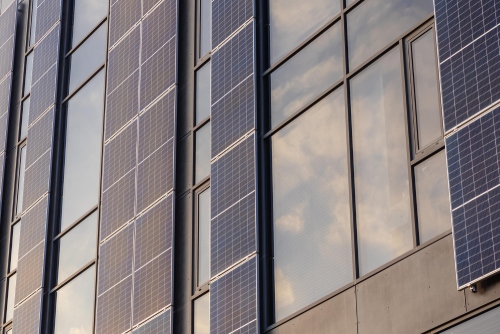
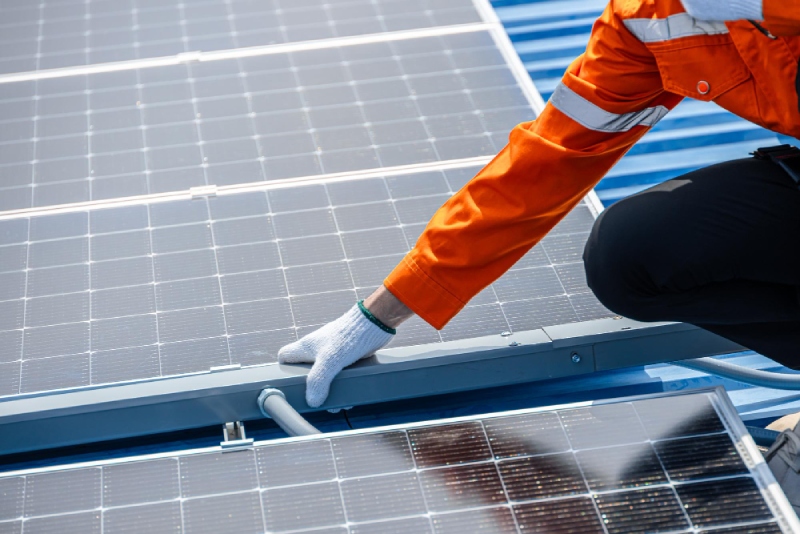
Solar retrofitting means adding solar technology to an existing building. Instead of using only the roof, a solar facade retrofit uses the building’s walls to generate electricity.
This approach is part of a larger idea called building-integrated photovoltaics (BIPV). In simple terms, solar panels are built into the building materials rather than added on top.
What is a BIPV retrofit facade?
A BIPV retrofit facade replaces traditional cladding with solar panels. These panels act as both a protective layer and an energy source. They keep out the weather while also producing electricity.
How Solstex fits into retrofits
The Solstex solar facade is designed to integrate with a modern building envelope. It combines design, durability, and energy performance in one system.
Why facades matter in retrofits
Most buildings have large wall surfaces that are not used for energy. Using these surfaces, a solar facade for existing buildings can increase energy production without requiring additional roof space.
Can existing buildings use Solstex for retrofits?
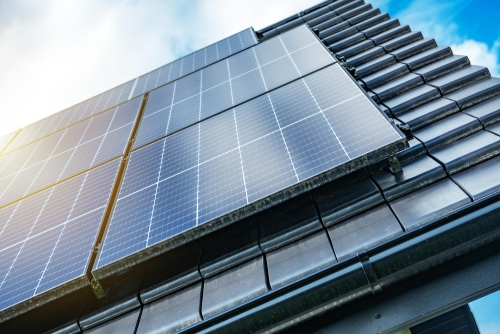
A common question is: can existing buildings use Solstex? In many cases, the answer is yes.
Solstex for retrofits is especially useful for buildings that are already planning to update or replace their exterior walls.
Ideal building types
Solar facades work well for:
- Office buildings
- Schools and hospitals
- Apartment and condo buildings
These buildings often have large wall areas that can support a solar facade retrofit.
Structural and design considerations
Before installing a system, check the building. This includes:
- The condition of the current facade
- Structural support for new materials
- Integration with windows and other elements
When Solstex works best
This solution makes the most sense when:
- The building already needs recladding
- Energy savings are a priority
- Roof space is limited or crowded
When does a solar facade make sense for retrofits?
Knowing when a solar facade makes sense for a retrofit helps you decide whether this is the right investment.
Limited rooftop space
Tall buildings often have small roofs. Equipment like HVAC systems can take up most of the space. In these cases, walls become the best option for solar.
Energy and sustainability goals
Many organizations want to reduce their carbon footprint. A solar facade for existing buildings supports these goals by producing clean energy on-site.
Aging building envelope
If your building’s exterior is old or failing, it may need to be replaced anyway. A solar facade retrofit lets you upgrade the building while generating energy.
How does a solar facade compare to rooftop solar?
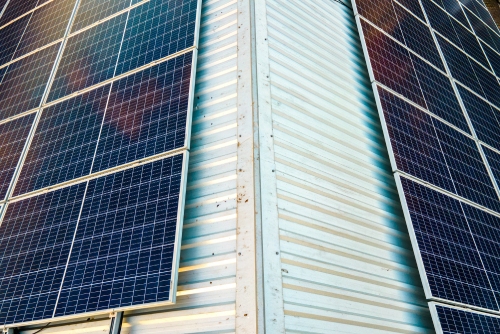
The retrofit vs rooftop solar facade decision depends on your building and goals.
Rooftop solar advantages
Rooftop systems are common because they are easier to install. They usually have lower upfront costs and are a good option when there is enough space.
Solar facade advantages
A facade system uses vertical space, which is often unused. It also improves the building’s appearance and becomes part of the overall envelope system.
When to combine both
In many cases, the best solution is to use both roof and facade systems. This allows you to generate more energy and make full use of the building’s surfaces.
How do you evaluate a solar facade retrofit?
Understanding how to evaluate a solar facade retrofit is important before starting a project.
Energy generation potential
The amount of energy depends on:
- Building orientation
- Sun exposure
- Local weather conditions
South-facing walls usually produce the most energy.
Building envelope benefits
A solar facade retrofit does more than produce power. It can also:
- Improve insulation
- Reduce air leaks
- Protect the building from the weather
Cost vs long-term value
The upfront cost may be higher than traditional cladding. However, long-term benefits include:
- Energy savings
- Lower maintenance costs
- Improved building performance
What is the ROI of a Solstex retrofit?
Solstex retrofit ROI is not just about energy savings. It also includes the value of upgrading the building envelope.
Energy cost savings
Over time, a Solstex retrofit can significantly reduce electricity bills. For example, case studies have shown up to a 30% reduction in energy costs, demonstrating the strong return on investment (ROI). Additionally, the system can lower maintenance costs by approximately 15%, as proven by real-world applications like the Elemex project, where the system delivered consistent savings within the first year of operation. This concrete data not only highlights the potential energy savings but also the value it adds for developers and architects looking to invest in long-term energy solutions.
Lifecycle value
The Solstex solar facade is designed to last for many years. Durable materials mean fewer repairs and lower maintenance costs.
Added building value
Buildings with energy-efficient systems, such as Solstex solar facades, are more attractive to tenants and buyers. These systems can also qualify for sustainability certifications, significantly boosting market value. Under LEED v5, onsite renewable energy can provide up to 5 LEED points, which accounts for 12.5% of the required points for full certification. This is based on installing a system capable of supplying up to 100% of the building’s electricity needs. However, even smaller solar systems can earn LEED points. For example, the first category of points only requires that 5% of the building’s electrical usage come from onsite renewables. This makes Solstex a strong candidate for improving both the building’s sustainability profile and its market appeal.
Learn more about these certifications:LEED CertificationandBOMA BEST Certification
Common mistakes to avoid when planning a solar facade retrofit
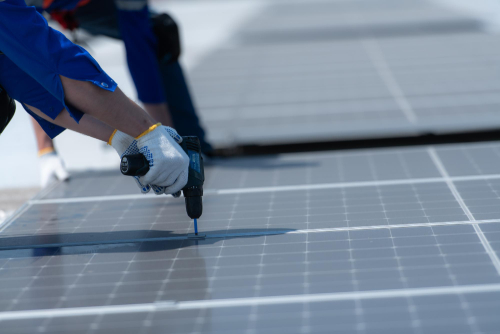
Even though solar retrofitting offers many benefits, there are some mistakes to avoid.
Not planning early enough
It is best to consider solar during the design or retrofit planning stage. Adding it later can be more difficult.
Ignoring building orientation
Not all walls produce the same amount of energy. Proper planning ensures the best results.
Focusing only on upfront cost
Looking only at initial cost can be misleading. Always consider long-term value and performance.
Choosing the wrong system
Working with experienced providers ensures the system fits your building and goals.
Conclusion
Solar retrofitting is changing how we think about building upgrades. Instead of using only the roof, building owners can now turn walls into energy-producing surfaces. A solar facade retrofit offers a smart way to combine energy generation with improved building performance.
Solutions like Solstex for retrofits are especially useful for buildings with limited roof space or aging exteriors. By understanding when a solar facade makes sense for retrofits and how to evaluate ROI, you can make better decisions for your project.
If you are planning a building upgrade, now is the time to explore your options. A well-designed solar facade can help you save energy, improve performance, and prepare your building for the future.
Contact us today to learn how Solstex can support your next retrofit project.
If you would like to learn more about Solar BIPV, please contact an Elemex representative.

Frequently Asked Questions
Can existing buildings use Solstex?
Many existing buildings can integrate the Solstex solar facade during facade upgrades, especially when recladding is already planned. This makes it a strong option for improving the building’s energy efficiency and market appeal. Solar retrofitting with Solstex is both cost-effective and sustainable, providing a long-term return on investment.
What is a BIPV retrofit facade?
A BIPV retrofit facade replaces traditional cladding with solar panels. These panels act as both a protective layer and an energy source, making them ideal for solar retrofitting projects.
When does a solar facade make sense for retrofits?
Determining when a solar facade makes sense for a retrofit depends on roof space, building height, and energy goals. It is often the best choice for large buildings with limited roof area.
Is a solar facade better than rooftop solar?
The retrofit vs rooftop solar facade decision depends on your building. Facades use vertical space, while rooftops are simpler. Many projects benefit from using both systems together.
How do you evaluate a solar facade retrofit?
To understand how to evaluate a solar facade retrofit, consider energy output, building performance, installation cost, and long-term savings.
What is the ROI of a Solstex retrofit?
Solstex retrofit ROI includes energy savings, reduced maintenance, and increased building value. It offers benefits beyond just electricity generation.
Is solar retrofitting expensive?
Solar retrofitting costs vary depending on building size and design. While upfront costs can be higher, combining energy and facade upgrades often improves overall value. For more insights on this topic, the blog is authored by Hugh Lowry, a recognized expert in building energy efficiency. You can connect with him on LinkedIn for additional expertise on solar retrofitting and energy optimization in buildings.
How long does a solar facade last?
A solar facade retrofit is built to last for decades, often matching the lifespan of traditional cladding systems while providing added energy benefits.