
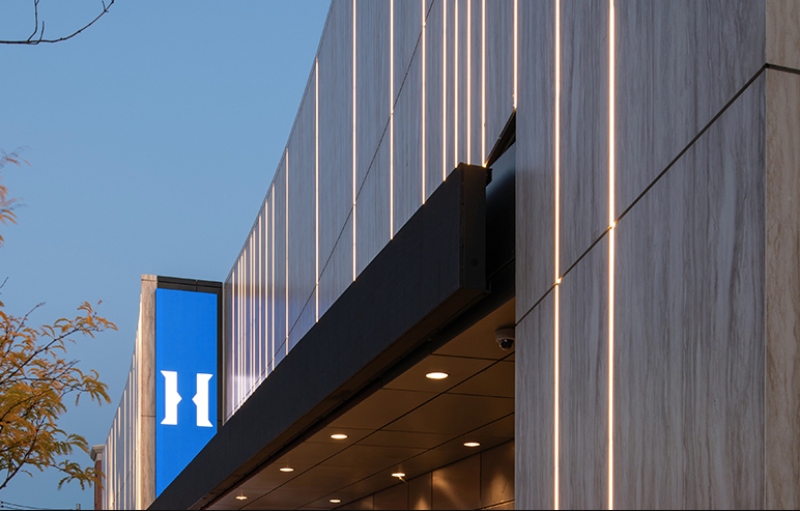
Facade color is the exterior visual expression of a building, achieved through cladding materials, coatings, textures, finishes, and panel systems. The right facade color affects design identity, climate response, energy performance, maintenance, durability, and the building’s contextual appropriateness.
Key Takeaways:
- Facade color is not only provided by paint, but also by exterior materials, coatings, textures and finishes.
- The color scheme of the facade should be appropriate for the climate, orientation, building use, surrounding context, and long-term maintenance.
- Dark facade colors may absorb more heat and create greater color contrast, whereas light colors reflect more sunlight.
- Exterior facade finishes influence color appearance, ageing, weather resistance and performance over time.
- When selecting facade colours for a new construction project, architects should evaluate physical samples under natural daylight conditions to ensure the desired appearance.
What Is Facade Color?
Facade color is the visual appearance of a building’s exterior, determined by the cladding material, surface finish, texture, reflectivity and panel system. It’s not just a paint choice – it’s a component of the building envelope, the exterior system that separates indoor and outdoor conditions.
A facade color palette can give a building a calm, bold, warm, technical, natural, or civic feel. Color plays a role in the street identity of a commercial, institutional, or residential project. A facade color combination can be based on roof color, trim color, and landscape harmony in a house facade; in a commercial facade, the color combination could be used to complement the brand, scale, and longevity of the project.
How Do You Choose Facade Colors?
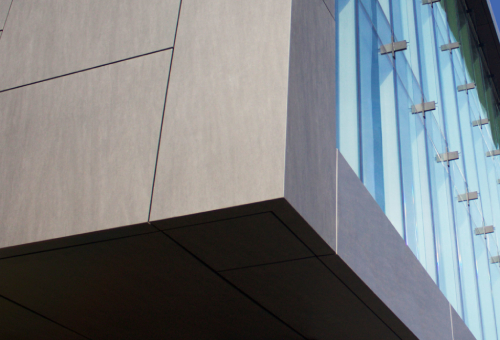
The selection of facade colors involves considering design intent, climate, material properties, neighbouring architecture, maintenance, and sample testing. The best facade color ideas are derived from visual objectives and the practical aspects of the project.
Start by asking what the building should communicate. Should it blend into a natural site, stand out in an urban block, or project a premium modern presence? Then choose materials that support that vision. Ceramitex® offers a broad range of colours and finishes, while Alumitex® is available in standard finishes and may offer custom RAL or PVDF colour matching for design flexibility. Also consider how each material performs over time, including resistance to UV exposure, fading, and weathering. Before making a final selection, review physical samples in natural daylight and request product samples where available.
Practical Selection Checklist
- Define the project mood and architectural intent.
- Study nearby buildings, streetscape, landscape, and zoning context.
- Review climate, sun exposure, shade, and building orientation.
- Compare facade finishes in real daylight.
- Consider maintenance, staining, perceived fading, and replacement needs.
- Request physical samples before final specification.
Why Does Facade Color Matter?
The facade color has a significant impact on first impressions, brand, visual scale, heat absorption, comfort, maintenance visibility, and long-term building performance. Colors can appear different depending on the finish, texture, amount of sunlight, panel size, and surrounding materials.
A dark facade may create depth and drama, but it can also reveal dust, streaking, or heat gain more clearly in some climates. A light facade may convey a clean, reflective quality, but it can require precise detailing to prevent stains from becoming apparent. This is why architects should choose facade finishing materials together with color, not after the color is already decided.
For project teams using Elemex’s Unity® integrated attachment technology, color decisions can be coordinated with panel systems, material selection, and specification requirements rather than treated as a last-minute aesthetic layer.
Light Facade Color vs Dark Facade Color: Which Works Best?
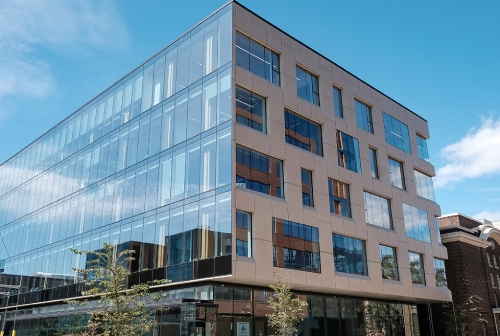
Light vs dark facade color depends on climate, design goals, maintenance expectations, and the building’s orientation. Generally, lighter colors reflect light, while darker colors provide contrast and weight.
A charcoal aluminum facade can convey a sense of sophistication, even in a contemporary office. A lighter ceramic or stone color might be more inviting for a school, health facility, or civic centre. A soft neutral tone can complement the roofing, windows, doors, and landscaping on a house facade.
Quick Comparison
| Choice | Best For | Watch For |
|---|---|---|
| Light facade colors | Hot climates, clean modern designs, reflective appearance | Dirt, runoff marks, glare |
| Dark facade colors | Bold contrast, premium identity, visual depth | Heat absorption, fading perception, streaking |
| Neutral palettes | Long-term appeal, mixed-use projects, urban context | Risk of looking flat without texture |
| Bold accent colors | Entrances, brand moments, wayfinding | Trend fatigue if overused |
What Factors Should Architects Consider When Choosing Facade Colors?
Architects should consider climate, orientation, building use, facade finishes, energy goals, maintenance, surrounding context, code requirements, material durability, and how colors appear under changing daylight conditions. This directly answers the question of which factors architects should consider when choosing facade colors.
Selecting facade colors for new construction should include both design review and performance review. A color that looks beautiful on a screen may appear cooler, warmer, flatter, or stronger once installed on a full elevation. That is why physical samples, mockups, and finish boards matter.
Important factors include:
- Solar exposure and shadow patterns
- Local weather and freeze-thaw conditions
- Urban pollution or coastal moisture
- Material texture and panel joint layout
- Adjacent glass, metal, stone, brick, or landscape elements
- Long-term color stability and cleaning expectations
What Is the Best Facade Color for Hot Climates?
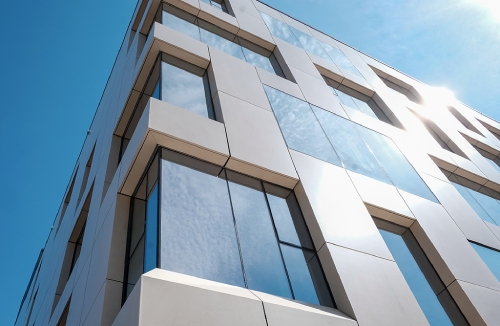
Lighter colors, with a high reflectivity, combined with appropriate exterior facade finishes that enhance thermal performance, are often the most suitable facade color choices for hot climates. However, performance depends not only on color but also on the properties of the materials, the design of the facade system, insulation, and ventilation.
This directly addresses the question: ‘How does the color of the facade influence the building’s energy performance?’ Generally, dark surfaces absorb more solar heat, while lighter or high-reflectivity finishes can lower the surface temperature. In hot climates, a facade color palette should be selected alongside the full envelope strategy.
Elemex’s facade systems offer project teams a range of material expressions, from ceramic and aluminum to natural stone and solar-integrated options. Solstex® integrates photovoltaic technology into the building facade, allowing architects to incorporate on-site renewable energy generation as part of the building design.
How Should Location Influence Facade Color Ideas?
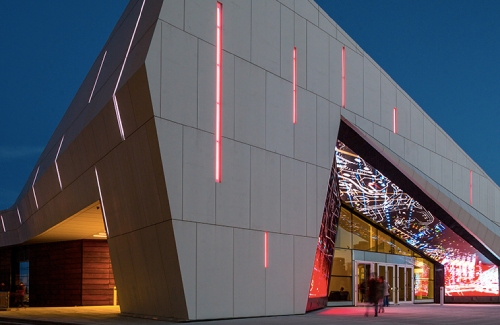
The facade color concepts should be influenced by location, as sunlight, rain, snow, humidity, urban density, local architecture, and landscape all affect a facade’s appearance and performance. A palette that works well in a dry, hot climate may not be suitable for a cold, wet, or snowy climate.
Architects in North America need to consider seasonality, regional design requirements, energy performance, and durability in their projects. In dense urban environments, facade colors can be coordinated with neighbouring materials. Natural stone finishes, ceramic panels, or muted neutrals can help create a more subdued relationship with the site in suburban or campus settings.
Conclusion
Facade color is both a design and a performance decision. The right palette should reflect the building’s use, its location, the material system, the climate objectives, and long-term maintenance expectations. Architects and project teams can explore architectural color concepts with Elemex through engineered facade systems, finish options, resources, and samples. For more information about exterior facade finishes for your next project, contact us to speak with a facade specialist.
FAQs:
Can facade color affect energy performance?
Absolutely, facade color can affect energy performance: darker colors absorb more solar heat, while lighter colors reflect more and/or a wider spectrum of sunlight. The overall effect depends on the climate, the degree of insulation, orientation, glazing, the design of the facade system, and the type of material finish.
Can I mix different facade finishes on one building?
Yes, you can mix different facades together, as long as there is a careful design plan and the right transitions, proportions, attachment systems, drainage, and design intent. The use of mixed materials can provide depth and identity, but the facade should not be too busy visually.
How do I choose a facade color palette that will not look dated?
Select facade color schemes that align with the building’s use, material quality, site context, and architecture. Unlike short-term trends, timeless palettes often feature neutral hues, natural material tones, robust details, and minimal accents.
Should a house facade color combination match the roof?
The color combination for a house facade does not have to exactly match the roof color, but should work in harmony with the roof color and the colors of the windows, trim, doors, landscape, and other surrounding houses. The aim is not to match colors but to achieve visual harmony.
What factors should architects consider when selecting facade colors?
Climate, orientation, adjacent buildings, energy performance, facade finishing materials, maintenance, durability, code, and daylight should all be taken into consideration by the architect. Physical specimens and mockups are used to ensure the final color appears as expected at the building scale.
Contact us to request facade finish samples for your next project.