
Key Takeaways:
- Residential BIPV systems combine energy generation with building materials, making them ideal for modern custom homes.
- BIPV for homes can replace traditional cladding while producing clean energy.
- Custom BIPV design for homes allows seamless integration into roofs, façades, and walls.
- Building integrated photovoltaics for homes can improve energy efficiency and long-term value.
- Solar façades for custom homes offer both design flexibility and sustainable performance.
The modern design of a custom home extends beyond creating a beautiful place. Homeowners are considering long-term costs, energy consumption, and environmental impacts. The rising cost of energy and growing concern about sustainability are compelling more individuals to seek even smarter ways to build.
This is where residential BIPV systems come into play. BIPV does not require installing solar panels on the building after construction; rather, solar technology is embedded in the building. This implies that your roof, walls, or facade can generate electricity while also being part of the home’s structure.
In this guide, we will discuss how residential BIPV systems can be integrated into modern custom home design, what the architect should consider, and whether BIPV can replace traditional materials such as cladding, so you can design smarter, more efficient homes.
What Are Residential BIPV Systems?
Residential BIPV systems are solar technologies integrated into a home’s structure. Unlike ordinary solar panels, which are mounted on roofs, BIPV is integrated into the building.
How BIPV Works in Homes
Photovoltaic materials are used in BIPV systems to convert sunlight into electricity. These materials are incorporated into roofing materials, glass, and wall systems. The resulting electricity can power the home, eliminating reliance on the grid.
Common BIPV Applications
BIPV can be used in several parts of a custom home:
- Roofing systems that replace traditional shingles
- Exterior walls and façades
- Glass surfaces such as skylights or windows
This flexibility makes building integrated photovoltaics for homes a strong option for modern design.
Why Homeowners Choose BIPV
BIPV is popular among homeowners for its integration of functionality and design. Rather than integrating solar panels as an additional feature, BIPV is integrated into the home’s appearance and functionality. This is particularly relevant in custom homes where aesthetics are as vital as functionality.
How Do Residential BIPV Systems Fit Modern Custom Home Design?
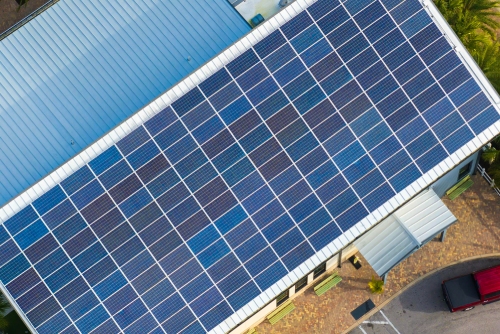
The answer lies in their ability to blend sustainability with aesthetics. The U.S. Department of Energy reports that solar energy systems can reduce household electricity costs by 50% or more, depending on system size and location.
Seamless Architectural Integration
Contemporary houses are usually characterized by straight lines and minimal shapes. Conventional solar panels may compromise this appearance because they are installed on the roof. Custom home BIPV design, in contrast, enables solar technology to be integrated into the building.
This gives it a modern, sleek look with no exposed hardware.
Supporting Sustainable Design Goals
One of the most important aspects of home design today is sustainability. The goal of many homeowners is to build an energy-efficient or net-zero home. Home-based integrated photovoltaics can help achieve these objectives by generating on-site clean energy.
This saves money on electricity and reduces the home’s carbon footprint.
Enhancing Property Value
Buyers are increasingly interested in energy-efficient homes. Residential BIPV systems offer homeowners long-term savings and a modern look. This can add to the property’s resale value and make it stand out in the market.
Can BIPV Work on Custom Homes?
The answer is yes, and custom homes are actually the best place to use BIPV.
Designed from the Start
One of the biggest advantages of custom homes is that everything is planned from the beginning. This allows a custom BIPV design for a home to be fully integrated into the architecture.
Instead of adjusting the design later, BIPV becomes part of the original plan.
Flexible Design Options
Creative freedom is possible with custom homes. BIPV in residential buildings can be tailored to various architectural styles, from modern glass-heavy architecture to more traditional forms.
This allows one to balance performance and appearance more easily.
Ideal for Unique Layouts
Most custom homes are distinct in shape, roofline, or orientation. BIPV systems are more adaptable to these designs compared to conventional solar panels.
This makes them a good option for homeowners who want something exclusive without compromising energy efficiency.
Is BIPV Better Than Rooftop Solar for Custom Homes?
The answer depends on your priorities.
Aesthetic Advantages
BIPV has a cleaner appearance since it is embedded in the building. Rooftop panels are more exposed and may not fit the style of a custom home.
For homeowners who care about appearance, home-integrated photovoltaics are usually preferable.
Functional Differences
Conventional solar panels are designed for energy generation. BIPV systems can serve two functions: as building materials and as electricity generators.
Although rooftop panel efficiency can be slightly higher, BIPV is offered as a value-added integration.
Cost Considerations
BIPV systems may be more expensive initially. But they substitute materials such as roofing or cladding, which can offset part of the cost.
With time, the initial investment can be offset by energy savings.
Can BIPV Replace Exterior Cladding on a Custom Home?
Dual-Purpose Materials
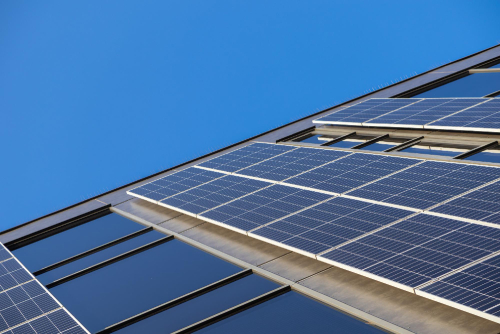
BIPV materials are designed to act as both protective surfaces and energy generators. This means they can replace traditional cladding materials.
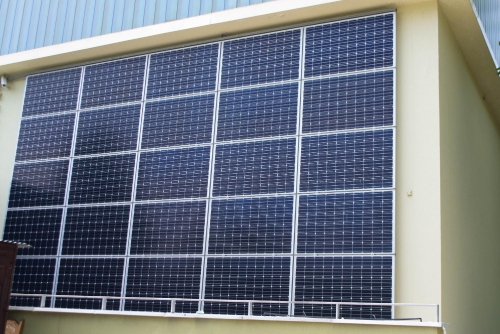
Solar Façade for Custom Homes
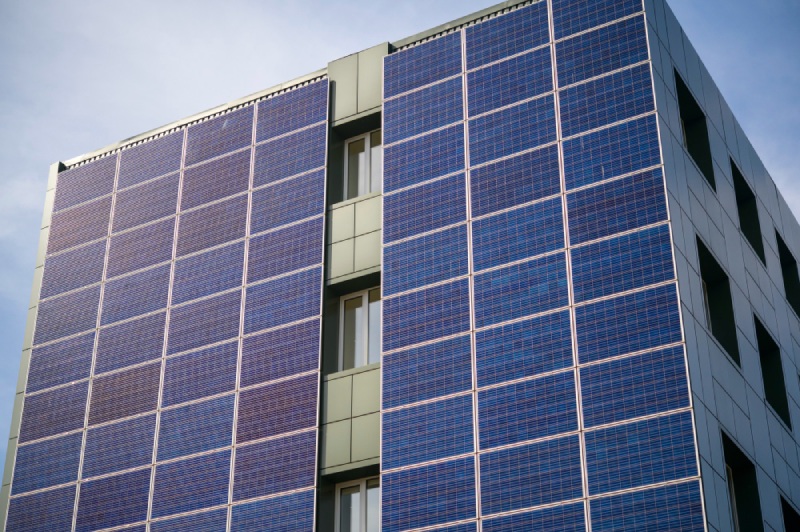
One of the most significant applications of BIPV is a solar facade for custom homes. It enables exterior walls to generate electricity while maintaining a contemporary appearance.
Design and Performance Balance
Planning is essential when using BIPV as cladding. Architects need to strike a balance between appearance, durability, and energy performance.
When properly executed, it forms a powerful blend of attraction and functionality.
What Should Architects Consider When Designing a Home with BIPV?
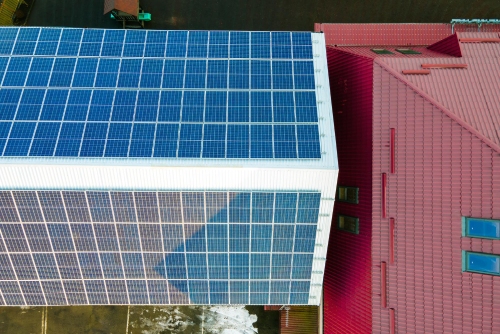
Proper planning is essential for success.
Orientation and Sun Exposure
The positioning of BIPV systems influences the amount of energy generated. Solar integration is often best on south-facing surfaces, which receive the most sunlight.
Material Compatibility
BIPV systems must work with other building materials. This includes ensuring proper insulation, weather protection, and structural support.
Electrical Integration
The system should integrate well with the home’s electrical system. This involves wiring, inverters, and a connection to the grid.
Building Codes and Regulations
Architects must also consider local building codes and energy regulations. These rules can affect how BIPV systems are installed and used.
Benefits of BIPV for Homes
BIPV for homes offers several important benefits:
Clean, Modern Design
BIPV systems blend into the building, creating a sleek and modern look.
Energy Savings
By generating electricity, BIPV reduces energy bills over time.
Environmental Impact
Using solar energy lowers carbon emissions and supports sustainability goals.
Increased Property Value
Homes with energy-efficient features are often more attractive to buyers.
Dual Functionality
BIPV serves as both a building material and an energy system, delivering greater value than traditional options.
Challenges to Consider
While residential BIPV systems offer many benefits, there are also challenges to keep in mind.
Higher Upfront Costs
BIPV systems may be more expensive than conventional materials or rooftop solar panels in the short run.
Planning Requirements
BIPV should be considered at the initial design stage. Adding later is more difficult.
Specialized Expertise
BIPV needs experience in designing and installation. It is significant to work with professionals who are familiar with the technology.
How to Plan a Custom Home BIPV Design?
Planning is key to making a custom home BIPV design successful.
Start Early in the Design Process
The sooner BIPV is incorporated into the design, the more effectively it will work and appear.
Work with Experienced Professionals
Select architects and builders who know how to build integrated photovoltaics in homes.
Set Clear Goals
Decide what matters most—energy savings, appearance, or both. This will guide your design choices.
Consider Long-Term Value
Think about how BIPV will impact your home over time, including energy savings and resale value.
Conclusion
Residential BIPV installations are changing the way custom homes are built and designed. They provide an intelligent, contemporary approach for homeowners who desire both style and sustainability by integrating energy production into building materials.
The advantages of building-integrated photovoltaics in homes are evident, both in seamless integration and long-term energy savings. Although they require careful planning and investment, these advantages make them a powerful choice for contemporary custom home projects.
This technology will continue to expand and develop as more homeowners and architects consider custom BIPV design for their homes, thereby shaping the future of residential construction.
If you would like to learn more about Solar BIPV, please contact an Elemex representative.

Frequently Asked Questions
How do residential BIPV systems fit modern custom home design?
They become part of the home’s structure, promoting clean design and energy efficiency. This renders them perfect in contemporary custom homes centred on sustainability and beauty.
Can BIPV work on custom homes?
Yes. BIPV for homes works best in custom builds, where it can be planned from the start and fully integrated into the design.
Is BIPV better than rooftop solar for custom homes?
It depends on your goals. BIPV offers better design integration, while rooftop solar may provide slightly higher efficiency.
Can BIPV replace exterior cladding on a custom home?
Yes. Many solar façades for custom homes replace traditional cladding while generating energy.
What should architects consider when designing a home with BIPV?
They should focus on orientation, material compatibility, electrical integration, and local building codes.
Are building-integrated photovoltaics for homes expensive?
They can have higher upfront costs, but they replace other materials and offer long-term energy savings.