
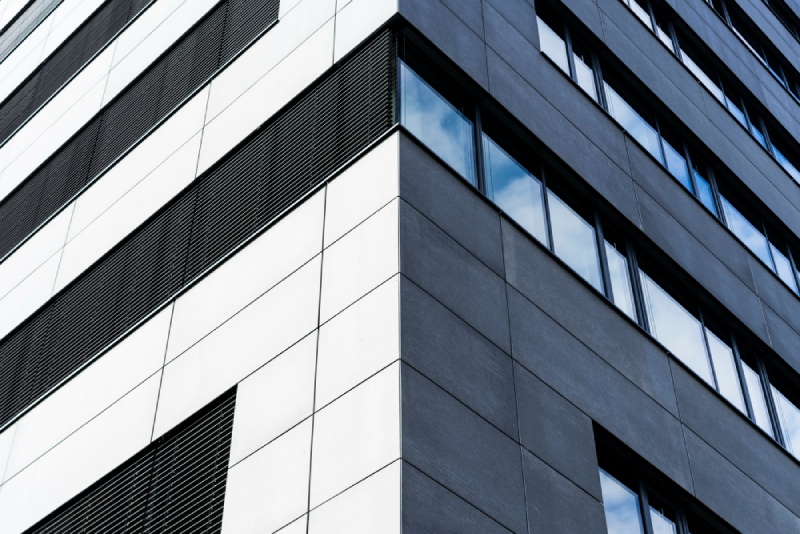
Commercial facades are not only the outer walls of a building. They symbolize a company’s brand, style, and professionalism. A business with multiple locations must maintain a consistent appearance to ensure brand recognition and a consistent customer experience. Commercial facade systems help achieve such consistency and provide protection, energy efficiency, and durability.
This guide focuses on commercial facade installation, design, materials and new commercial building facades. It also addresses commercial building facade ideas, panel use, and commercial building facade materials. By the end, you will know how a consistent facade can enhance your brand presence across all your locations and how essential it is to use a properly designed system.
What Is a Commercial Facade?
A commercial facade is the exterior appearance of a commercial building. It includes the walls, windows, doors and other design features that constitute the exterior of the building. An attractive exterior not only shields the building from the elements but also conveys a business’s style, identity, and professionalism.
When a company has more than one building, consistency is important. For example, retail chains, restaurants, and office networks should adopt the same commercial building facade design to ensure customers can immediately identify the brand. The first thing a visitor can see is a facade, and it is an important factor that shapes their perception.
Importance of Consistency Across Locations
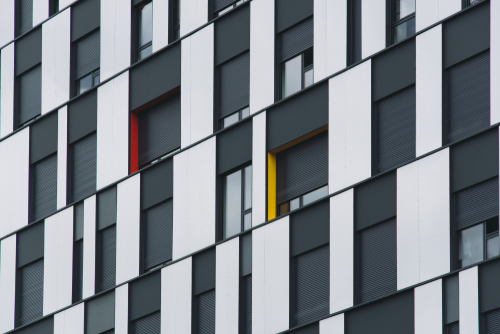
Uniformity in commercial facade design is pertinent to brand identity. Having a similar appearance to all places where a business is located reinforces recognition and trust. Customers understand what to expect, which improves their experience and builds trust in the brand.
The lack of consistency in the facades can cause confusion or even the impression of disorganization. An inappropriate exterior can give the impression that it was not given much care. A single commercial building facade system ensures that locations appear professional and meet the company’s design requirements. This technique also makes marketing and promotional activities easier, as the buildings themselves reinforce brand imagery.
Using Flagship Projects to Set Brand Standards Across Locations
While large multi-site rollouts best demonstrate facade consistency, flagship and head office projects play an equally important role in establishing brand standards. Many organizations begin with a single, highly visible location that defines the architectural language, materials, and performance expectations for future buildings.
For example, a corporate headquarters, flagship gym, or signature restaurant location often serves as the design benchmark. The facade system used on that building becomes the reference point for colour palettes, panel layouts, finishes, and detailing that can later be adapted and replicated as the brand expands.
Elemex has delivered standout commercial facade installations for organizations such as GoodLife Fitness (home office), Fidelity Bank, Earls Kitchen + Bar, and former Nordstrom locations. While these projects may not represent identical rollouts across multiple sites, they demonstrate how a well-designed commercial facade system can establish a strong, recognizable exterior identity. These systems are intentionally engineered to be modular and repeatable, making future replication more efficient and consistent.
By designing facade systems with scalability in mind, businesses can ensure that even when buildings differ in size or location, the visual identity remains cohesive. This approach allows brands to maintain consistency across current and future locations without redesigning the exterior for every new project.
Commercial Facade Design Basics
Commercial facade design involves the arrangement of a building’s exterior appearance and functionality. Architects take into account the materials, colours, textures, and structural features. The aim is to have a facade which is appealing, durable, and reflective of the brand.
In commercial building construction, modern facades are typically made of glass, metal, and other materials. Sustainability, energy efficiency, and ease of maintenance are also the concerns of designers. These factors enhance the building’s overall performance and durability.
Good facade design also takes into account the surrounding environment. The exterior must be in line with the area’s architecture and comply with local building regulations. When facades for commercial buildings are planned properly, they can boost property value and make a good impression on visitors, employees, and clients.
Facade Materials for Commercial Buildings
It is important to choose the appropriate facade materials in commercial buildings. The most popular are glass, aluminum, steel, stone, and composite panels. Both materials have their merits, and they are selected based on aesthetics, durability, and cost.
Glass also provides natural lighting and transparency, enhancing the interior environment and reducing energy costs. Aluminum and steel panels are lightweight, durable, and easy to maintain. Stone and composite materials have a premium appearance and long-lasting performance.
Replicating the same material in different places will help maintain uniformity in commercial facades. This consistency is particularly essential in cases of chains or franchises where branding is the main concern. Moreover, the use of durable facade materials in commercial buildings minimizes the need for repairs and helps the building retain a fresh look over time.
Commercial Building Facade Panels
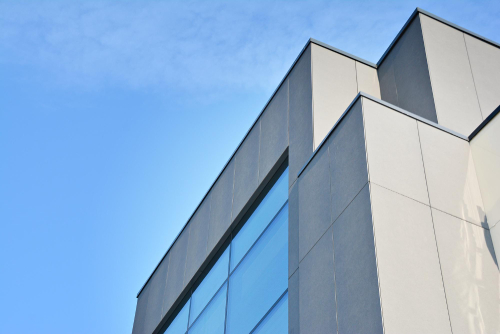
Commercial building facade panels are prefabricated panels that can be erected in a short period. They also make the installation of commercial facades easier since the same elements can easily be replicated across various locations.
Panels may be made out of aluminum, steel, glass, or composite materials. They are available in different colours, finishes, and textures. Facade panels also help maintain brand consistency and visual appeal, ensuring that all buildings appear the same.
Facade panels are also structurally beneficial. They help enhance insulation, reduce energy costs, and prevent weathering damage to the building. Most current systems incorporate advanced technologies such as fire resistance, acoustic damping, and even solar capabilities.
Commercial Facade Systems
Commercial facade systems are complete solutions that include panels, structural supports, insulation, and, occasionally, built-in technologies such as solar panels. These systems are intended to simplify installation and maintain consistent aesthetics across different locations.
A commercial facade system permits consistent design, quicker construction, and enhanced energy efficiency. It also simplifies the maintenance and repair of the building exterior without disrupting the entire design. Properly designed facade systems make every building appear identical, support the brand, and save designers and contractors time.
Facade Ideas for Commercial Buildings
Commercial building facades offer numerous ways to improve their appearance and functionality. In contemporary commercial buildings, glass and metal panels are used together to create a smooth, modern appearance. Brand identity can be emphasized with accents, colour, textures, and built-in lighting.
Other facade concepts in commercial buildings include the incorporation of vertical and horizontal lines to add visual interest to the structure, green walls or plant features, and seamless integration of signage within the structure. Every concept must be consistent with the overall brand and replicable in different locations to create a cohesive look.
Energy performance can also be enhanced through facade design and creative positioning of windows, shades, and sun control equipment. This strategy balances aesthetics and functionality and is consistent across all commercial locations.
Benefits of Consistent Facade Design
The benefits of having a uniform commercial building design are numerous.
Brand Identity
It enhances brand identity. Customers immediately identify a building and associate it with the company’s quality and professionalism.
Operational Efficiency
Uniform facades enhance efficiency in operations. The similarity of the commercial facade system, panels, and materials used across various locations saves time on planning and reduces maintenance expenses. Contractors become accustomed to the installation process, which reduces the timeline and increases productivity.
Consistency
Consistency provides a professional and unified look. A customer is treated to the same quality of design and detail whether visiting a single place or multiple places. This consistency also strengthens marketing, since pictures of any place can represent the whole brand.
Scalablity
Scalability is permitted with consistent facade systems. Businesses can expand into new locations without developing specific solutions for each one, saving time and money and ensuring that each new building fits perfectly into the brand portfolio.
Modern Commercial Building Facades
Contemporary facades of commercial buildings concentrate on beauty, energy conservation, and longevity. They frequently use a mix of glass, metal panels, and composite materials to achieve a modern appearance.
Modern facades can incorporate technologies such as Solar BIPV, which can generate energy while maintaining a clean, smooth look. The method makes the buildings more eco-friendly and reduces operational energy costs.
Local climate, sunlight exposure, and wind patterns are also considered by designers to maximize energy efficiency. The selection of materials and systems influences insulation, temperature regulation, and natural lighting, thereby promoting sustainability and occupant comfort.
Modular construction elements are also used in modern facades. This ensures that the same design can be easily copied and pasted in various locations without wasting materials or time.
Commercial Facade Installation Process
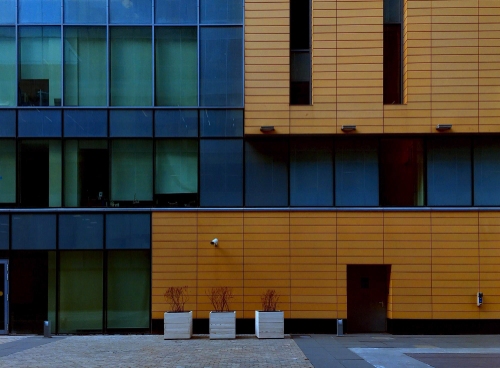
The installation of a commercial facade starts with proper planning and design. Architects and engineers design facades to comply with brand standards, structural requirements, and local building codes.
Then, contractors construct the building’s exterior and install support structures as needed. Facade panels for commercial buildings are then installed according to the design. A commercial facade system also ensures panels fit correctly and provides a uniform exterior appearance.
There should be quality control during installation. The panels should be aligned, sealed, and properly fastened to be durable, weather-resistant, and aesthetically pleasing. Last checks ensure that everything is in accordance with the design specifications, resulting in a homogeneous and professional facade.
.
Selecting an appropriate contractor is critical to a successful commercial facade installation. Experienced contractors know commercial facade systems and can recreate designs accurately across different locations.
A competent contractor will ensure that the facade materials used in commercial building construction projects are of high quality and properly installed. They also liaise with designers and suppliers to ensure uniformity in colour, texture, and overall appearance.
Seasoned contractors can also offer tips on maintenance practices that businesses can use to ensure their facades remain new and operational over the years.
Conclusion
Uniformity of location is necessary for commercial facades. A well-organized commercial facade system, composed of high-quality materials and panels, ensures that every building is a professional reflection of the brand. Moderncommercial building facades combine aesthetics, durability, and energy efficiency, making them a smart investment for any business.
In case you are considering updating or installing a commercial facade, Elemex can assist. Our group specializes in commercial facade systems and provides advice on materials, design, and installation. We collaborate with contractors to ensure each location has a similar appearance that reinforces your brand image. Contact us today to discuss your project and find the best options for your commercial building facade. If you would like to learn more about Solar BIPV, please contact an Elemex representative.